
Thirteen Lessons from Fifty Years of Anti-Poverty Policy and Research
Abstract
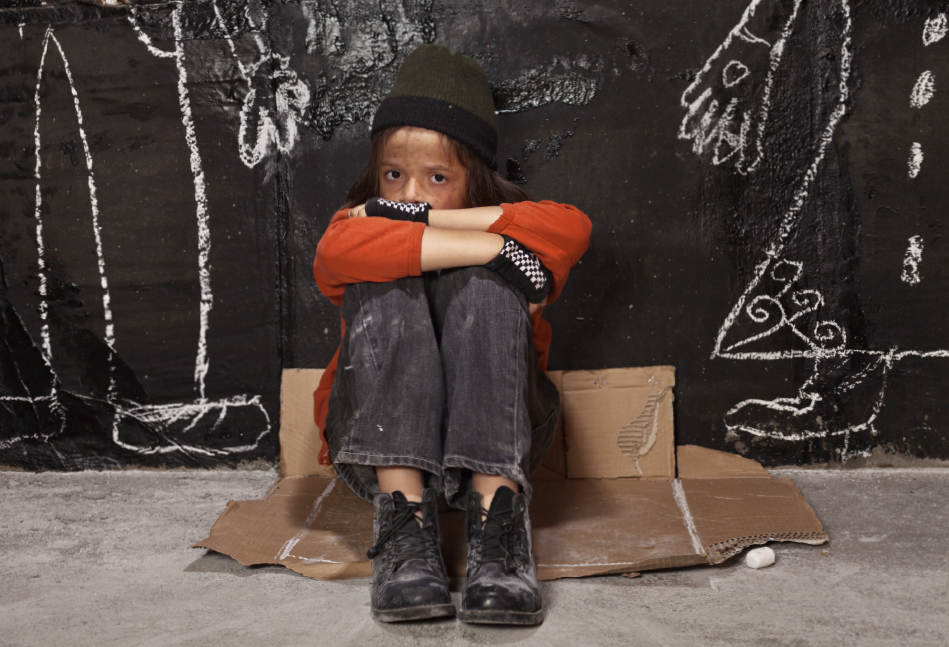
In the War on Poverty era, poverty was typically understood to be a thing that happens to other people. In the 1964 Economic Report of the President, which laid out the budget for the War on Poverty, the Administration suggested that poor people lived in “a world apart. . . isolated from the mainstream of American life and alienated from its values.” People living in poverty were them, not us, and poverty itself was an anomaly, an aberration, a deviation from the norm. As a result, part of the mission of the Great Society was to incorporate them into “mainstream” institutions and culture, through education, job training, housing, medical care and so on. But we now know that poverty in the U.S. is not an anomaly or something experienced by a small minority of people. According to U.S. Census Bureau data, 34.5% of all Americans were poor at least once for two months or more between 2009 and 2012.
Downloads
Published
How to Cite
Issue
Section
License
Copyright (c) 2015 Stephen Pimpare (Author)

This work is licensed under a Creative Commons Attribution-NonCommercial-NoDerivatives 4.0 International License.
The Social Innovations Journal permits the Creative Commons License:
CC Attribution-NonCommercial-NoDerivatives 4.0
Under the following terms:
-
Attribution — You must give appropriate credit, provide a link to the license, and indicate if changes were made. You may do so in any reasonable manner, but not in any way that suggests the licensor endorses you or your use.
-
NonCommercial — You may not use the material for commercial purposes.
-
NoDerivatives — If you remix, transform, or build upon the material, you may not distribute the modified material.
- No additional restrictions — You may not apply legal terms or technological measures that legally restrict others from doing anything the license permits.
Notices:
- You do not have to comply with the license for elements of the material in the public domain or where your use is permitted by an applicable exception or limitation.
- No warranties are given. The license may not give you all of the permissions necessary for your intended use. For example, other rights such as publicity, privacy, or moral rights may limit how you use the material
Copyright and Publishing Rights
For the licenses indicated above, authors retain the copyright and full publishing rights without restrictions.