Encouraging Student Success Through Innovative Pathways
Abstract
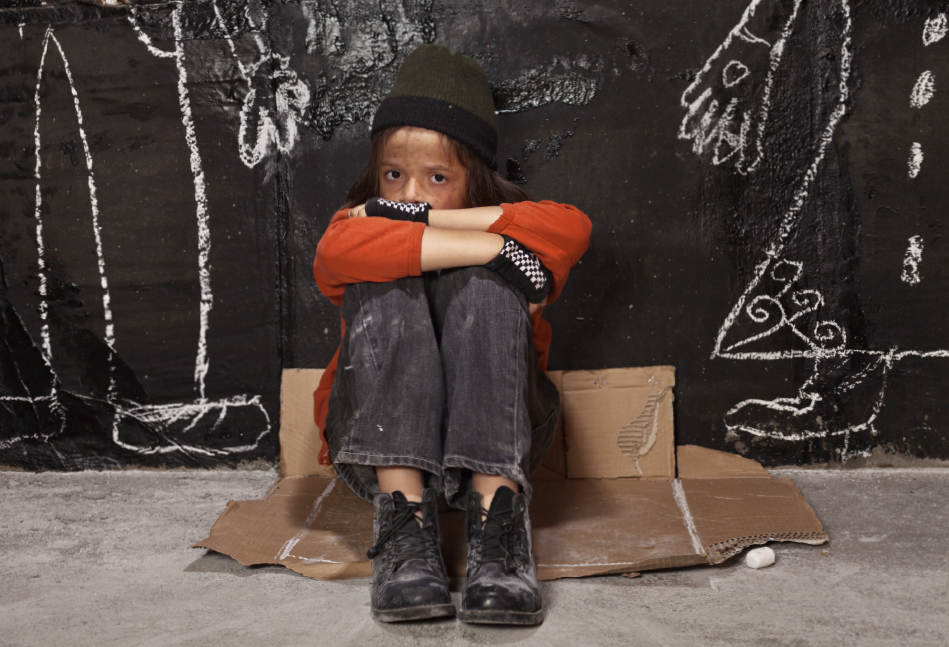
Healthy adolescent development requires a broad range of academic, social, creative, interpersonal and physical opportunities. Unfortunately, poverty often derails these opportunities, leaving young people to struggle without support, guidance and, in many cases, basic education. This is especially apparent in Philadelphia, which with a rate of 12.9% tops the list of large cities for residents living in deep poverty; deep poverty is defined as those who live below half the federal poverty level. In Philadelphia, that means that a family of three is living on an annual income of about $10,000 (Lubrano, 2014). Forty percent of all children are living below the poverty line, and 90% of students in the School District of Philadelphia (SDP) live in poverty and receive free or reduced lunches (Anonymous, 2010).
Downloads
Published
How to Cite
Issue
Section
License
Copyright (c) 2015 Evalyn Gleason (Author)

This work is licensed under a Creative Commons Attribution-NonCommercial-NoDerivatives 4.0 International License.
The Social Innovations Journal permits the Creative Commons License:
CC Attribution-NonCommercial-NoDerivatives 4.0
Under the following terms:
-
Attribution — You must give appropriate credit, provide a link to the license, and indicate if changes were made. You may do so in any reasonable manner, but not in any way that suggests the licensor endorses you or your use.
-
NonCommercial — You may not use the material for commercial purposes.
-
NoDerivatives — If you remix, transform, or build upon the material, you may not distribute the modified material.
- No additional restrictions — You may not apply legal terms or technological measures that legally restrict others from doing anything the license permits.
Notices:
- You do not have to comply with the license for elements of the material in the public domain or where your use is permitted by an applicable exception or limitation.
- No warranties are given. The license may not give you all of the permissions necessary for your intended use. For example, other rights such as publicity, privacy, or moral rights may limit how you use the material
Copyright and Publishing Rights
For the licenses indicated above, authors retain the copyright and full publishing rights without restrictions.