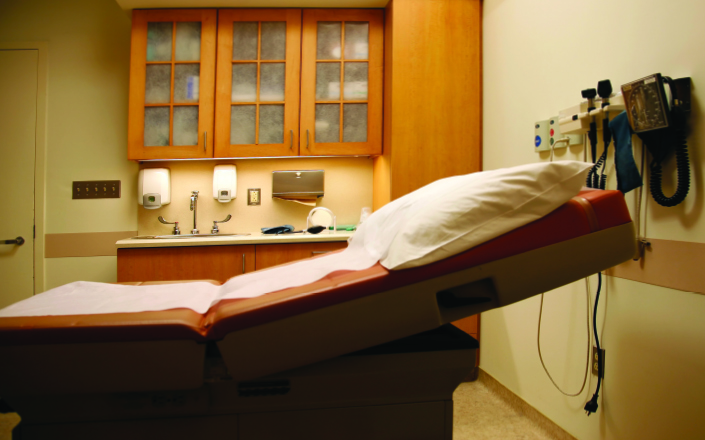
Washington, D.C.: A National Model for Lead Poisoning Prevention and Healthy Housing
Abstract
Lead poisoning remains a serious environmental health threat for children in the United States, despite the fact that it is completely preventable. For 30 years, the Centers for Disease Control and Prevention (CDC) has emphasized the need for local jurisdictions to adopt lead poisoning prevention strategies that eliminate lead hazards in a home before a child is exposed. However, even though substantial progress has been made through federal and state efforts to reduce risk of lead exposure, challenges, largely at the local level, persist, and become greater without strong and savvy leadership.
What one finds at the local level is not always ideal. First, most jurisdictions lack a proactive approach to dealing with the problem and public health officials must wait until a child has high lead levels before any intervention can take place. Second, because lead poisoning is a multi-agency issue involving health, housing and the environment, poor inter-agency coordination negatively affects results. And finally, where interactions between government officials and advocates, who are also working to protect the public, are uncooperative, it can be challenging to develop comprehensive laws and regulations that protect residents and provide them with recourse at the local government level.
Downloads
Published
How to Cite
Issue
Section
License
Copyright (c) 2011 Marian Baldini, Aangela Wyan, Ralph Scott (Author)

This work is licensed under a Creative Commons Attribution-NonCommercial-NoDerivatives 4.0 International License.
The Social Innovations Journal permits the Creative Commons License:
CC Attribution-NonCommercial-NoDerivatives 4.0
Under the following terms:
-
Attribution — You must give appropriate credit, provide a link to the license, and indicate if changes were made. You may do so in any reasonable manner, but not in any way that suggests the licensor endorses you or your use.
-
NonCommercial — You may not use the material for commercial purposes.
-
NoDerivatives — If you remix, transform, or build upon the material, you may not distribute the modified material.
- No additional restrictions — You may not apply legal terms or technological measures that legally restrict others from doing anything the license permits.
Notices:
- You do not have to comply with the license for elements of the material in the public domain or where your use is permitted by an applicable exception or limitation.
- No warranties are given. The license may not give you all of the permissions necessary for your intended use. For example, other rights such as publicity, privacy, or moral rights may limit how you use the material
Copyright and Publishing Rights
For the licenses indicated above, authors retain the copyright and full publishing rights without restrictions.