
Vol. 28 (2024): Transforming Health and Human Services Systems to Improve Care for Complex Populations
Dear Reader,
For our December 2024 issue, we are excited to collaborate with our partner organization, Woods System of Care, to curate and present “Transforming Health and Human Services Systems to Improve Care for Complex Populations.”
Individuals with complex needs, including those with intellectual disabilities, autism, and behavioral health challenges, continue to experience significant health disparities and face barriers to accessing crucial healthcare and services that support wellness, independence, and full participation in society. According to the CDC, approximately 1 in 36 children in the U.S. is identified with autism spectrum disorder (ASD). Additionally, around 1 in 6 children aged 3–17 years has been diagnosed with a developmental disability, such as autism, ADHD, or cerebral palsy. Current estimates also show that 2–3% of children in the U.S. live with an intellectual disability. Mental health challenges are equally prevalent and significant. Nearly 1 in 4 U.S. adults (58.7 million people) live with a mental health condition, while 1 in 20 adults (14.6 million people) has a serious mental health condition, such as schizophrenia, bipolar disorder, or major depression, that interferes with daily life. Among children aged 3 to 17 years, 1 in 7 (approximately 8 million children) has a diagnosed mental or behavioral health condition. Tragically, suicide is one of the leading causes of death, with over 49,000 lives lost in 2022, equivalent to 1 death every 11 minutes. In addition, health and human services providers are facing significant workforce challenges, struggling to attract and retain staff across all sectors, from direct care workers to primary care and behavioral health professionals. In 2022, nearly 47% of the U.S. population lived in areas with a mental health workforce shortage, a number expected to grow as the shortage persists. However, numerous innovative solutions and approaches exist that aim to tackle these disparities and challenges.
This edition of the Social Innovations Journal focuses on three key themes -- Integrated Care Models and Increasing Access to Care; Inclusion and Equity; and Systems Policy and Workforce Challenges and Solutions -- each offering innovative strategies for addressing disparities in access to care and health outcomes for people with complex needs. Authors delve into topics such as fostering inclusion and collaboration within healthcare systems to enhance outcomes, promoting health equity through initiatives like vaccination programs, addressing bullying and sports participation for students with disabilities, and tackling the workforce crisis with effective strategies for staff retention and training. The issue also highlights systemic reforms through global efforts for neurodivergent populations, cutting-edge mental health innovations, and thoughtful reflections on the evolution of care for individuals with intellectual and developmental disabilities, autism, and mental health challenges.
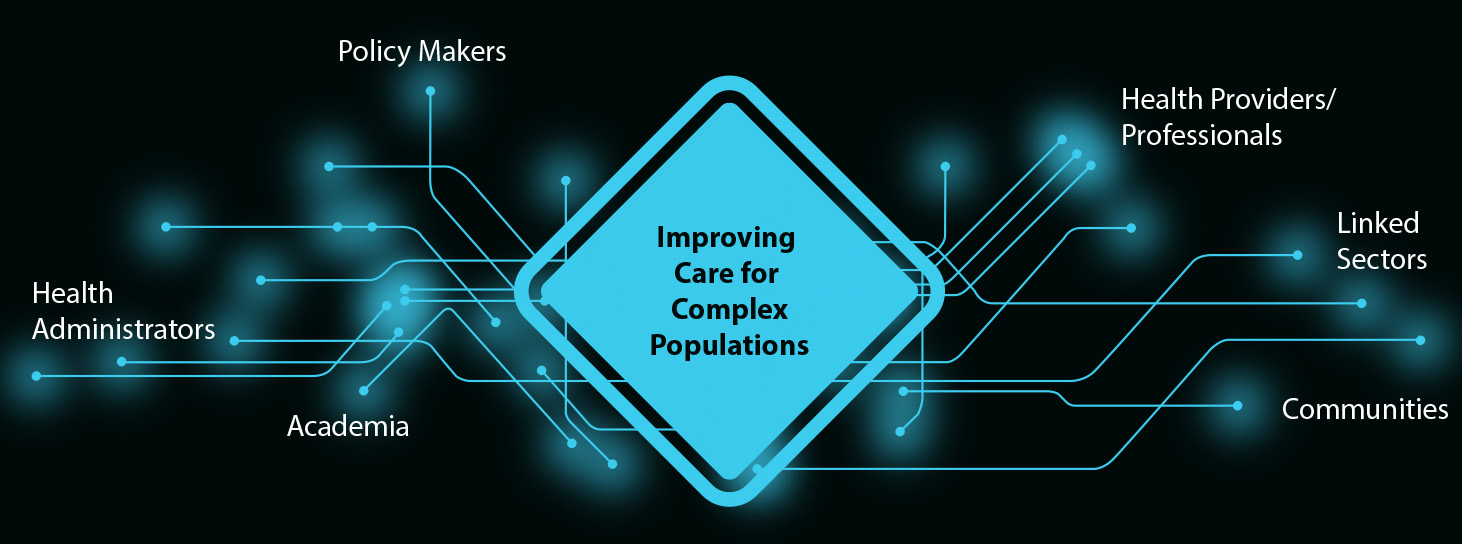
We hope that all stakeholders in health and human services, including community-based organizations, health and human service providers, health systems, government agencies, and policymakers, will be able to take valuable information from this issue.
Tine Hansen-Turton, Co-Founder, Social Innovations Journal, and President and CEO, Woods System of Care
Nicholas Torres, Co-Founder, Social Innovations Journal
Published:
2024-12-09